"Tomorrow"
The intent behind tomorrow. was to challenge traditional approaches to food waste advertising that often result in apathetic or short-term responses from consumers. Rather than relying on guilt-driven messaging, the project focused on creating a consumer-first campaign that emotionally engaged audiences while encouraging them to take personal responsibility for reducing their own food waste habits.
The campaign explored how thoughtful design could simplify the overwhelming nature of meal planning, indecision, and food management within everyday life. Through approachable branding, educational communication, and solution-focused design, tomorrow. aimed to empower individuals and families to make more intentional choices surrounding food consumption while helping reduce unnecessary waste. Overall, the project demonstrates how campaign design can move beyond awareness alone by encouraging behavioural change through empathy, accessibility, and practical everyday solutions.
Design Decisions
My personal challenge within the assignment was to create a campaign that not only raised awareness but also explored a larger, actionable solution capable of directly supporting those experiencing homelessness.
This led to the development of a “give what you can” model that encouraged donations only after viewers engaged with and learned the story of an individual experiencing homelessness. Rather than relying on a fixed donation system, the concept focused on creating an emotional connection before a financial contribution. The project evolved into a vending machine campaign designed to physically place viewers face-to-face with the issue of homelessness within their own community. The vending machine became both the campaign’s advertisement and its central interactive experience, offering a low-cost, movable, and highly shareable approach to public awareness that could naturally extend into social media through the hashtag #sharetheirstory.
Initital Concepts
The development of tomorrow began with researching the causes of household food waste and identifying areas where consumers lacked accessible and convenient information surrounding produce storage, food longevity, and composting.
Research showed that fruits and vegetables contribute to nearly 45% of food waste, leading the project to focus specifically on produce as the primary area for intervention. Rather than relying on traditional awareness campaigns alone, the project explored how design could create a more practical and consumer-focused solution that integrated directly into everyday shopping and food preparation habits.
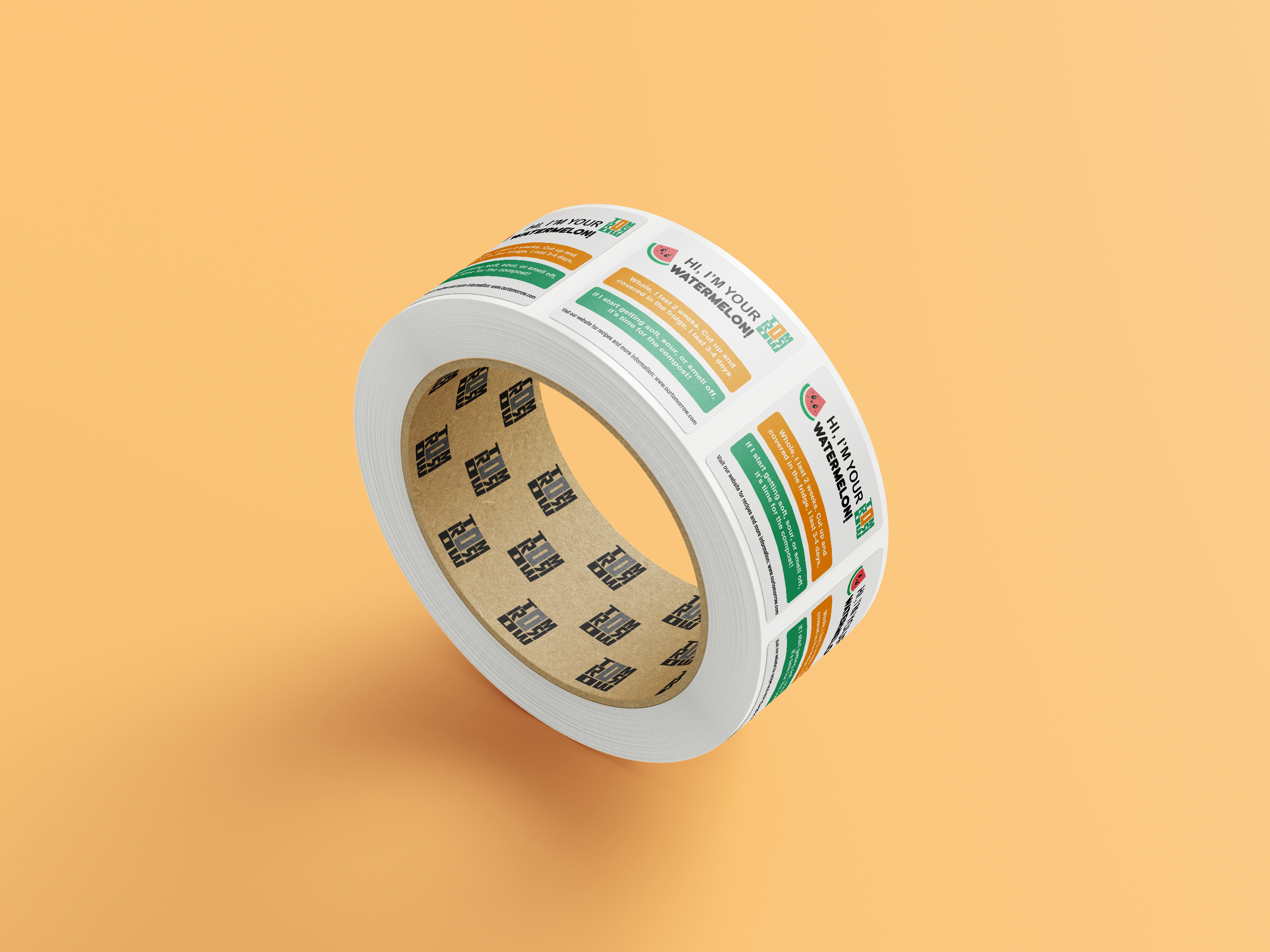
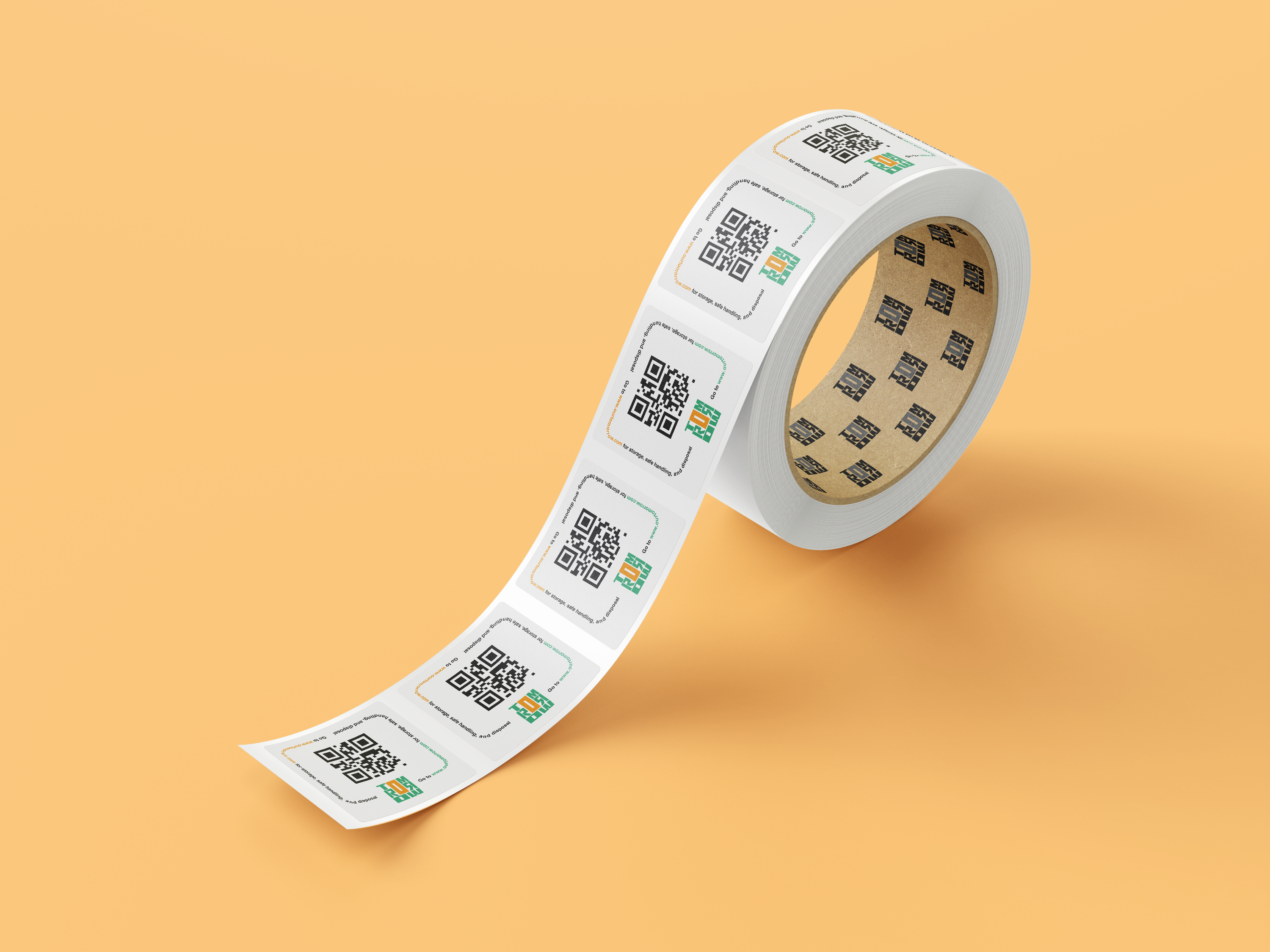
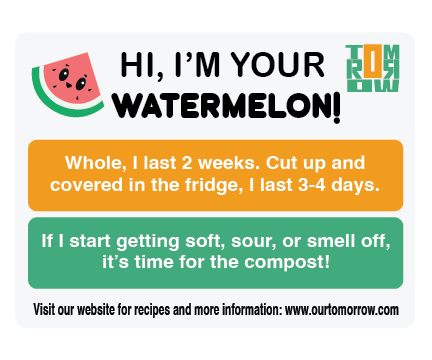
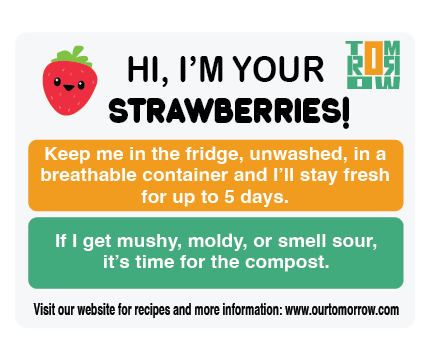
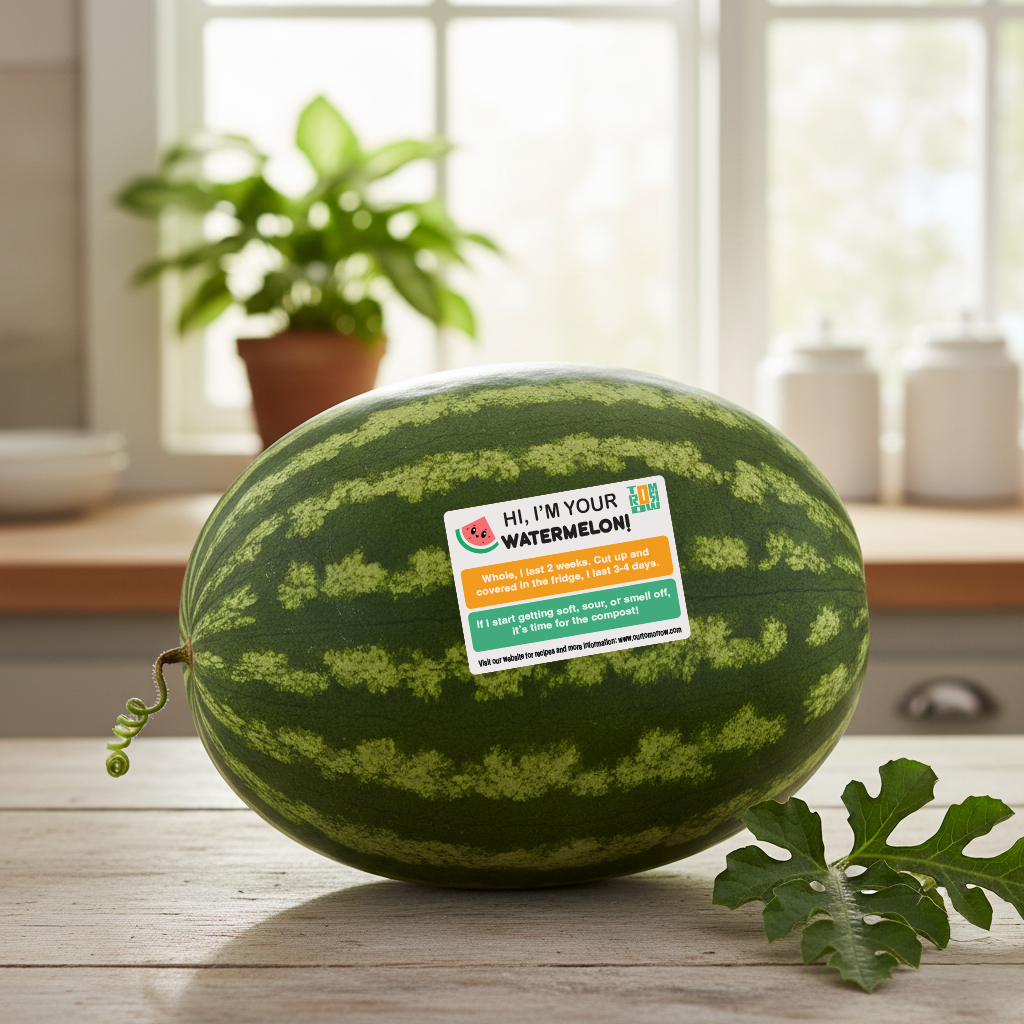
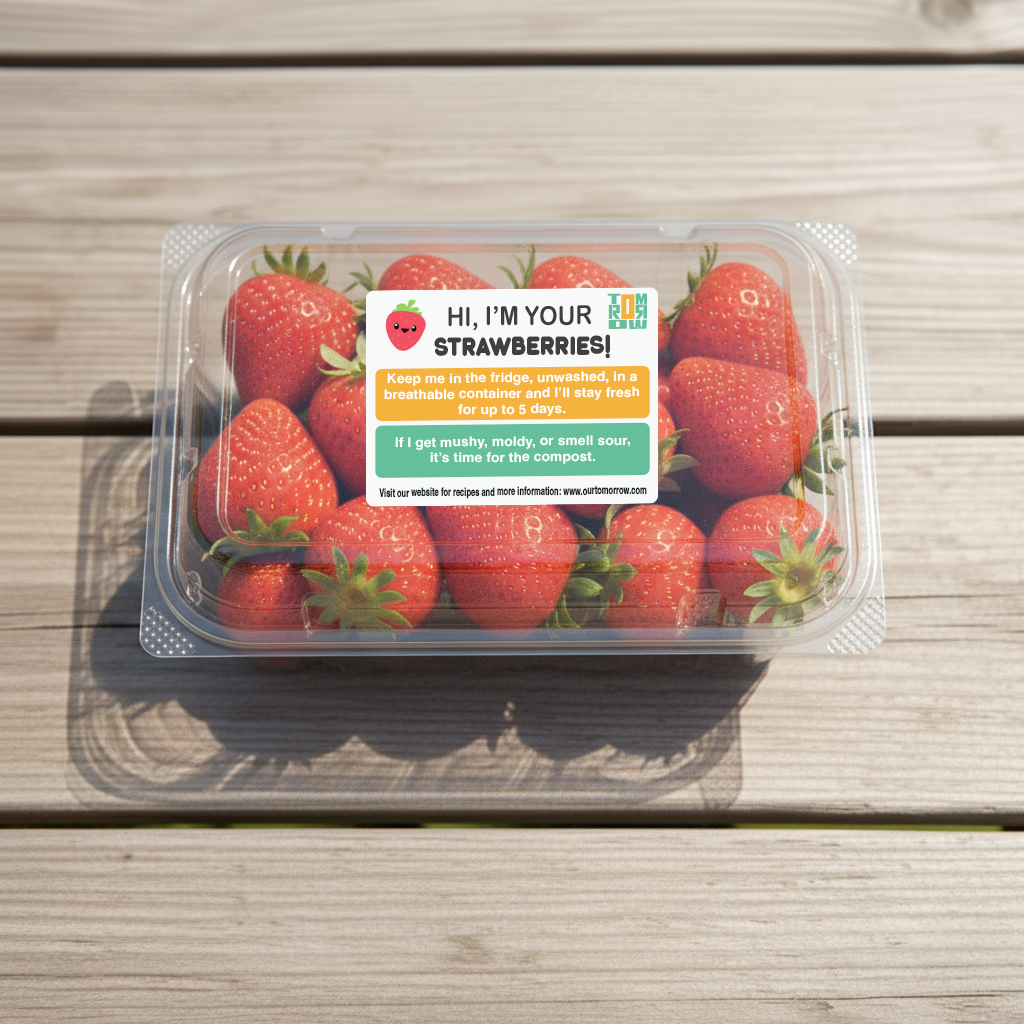
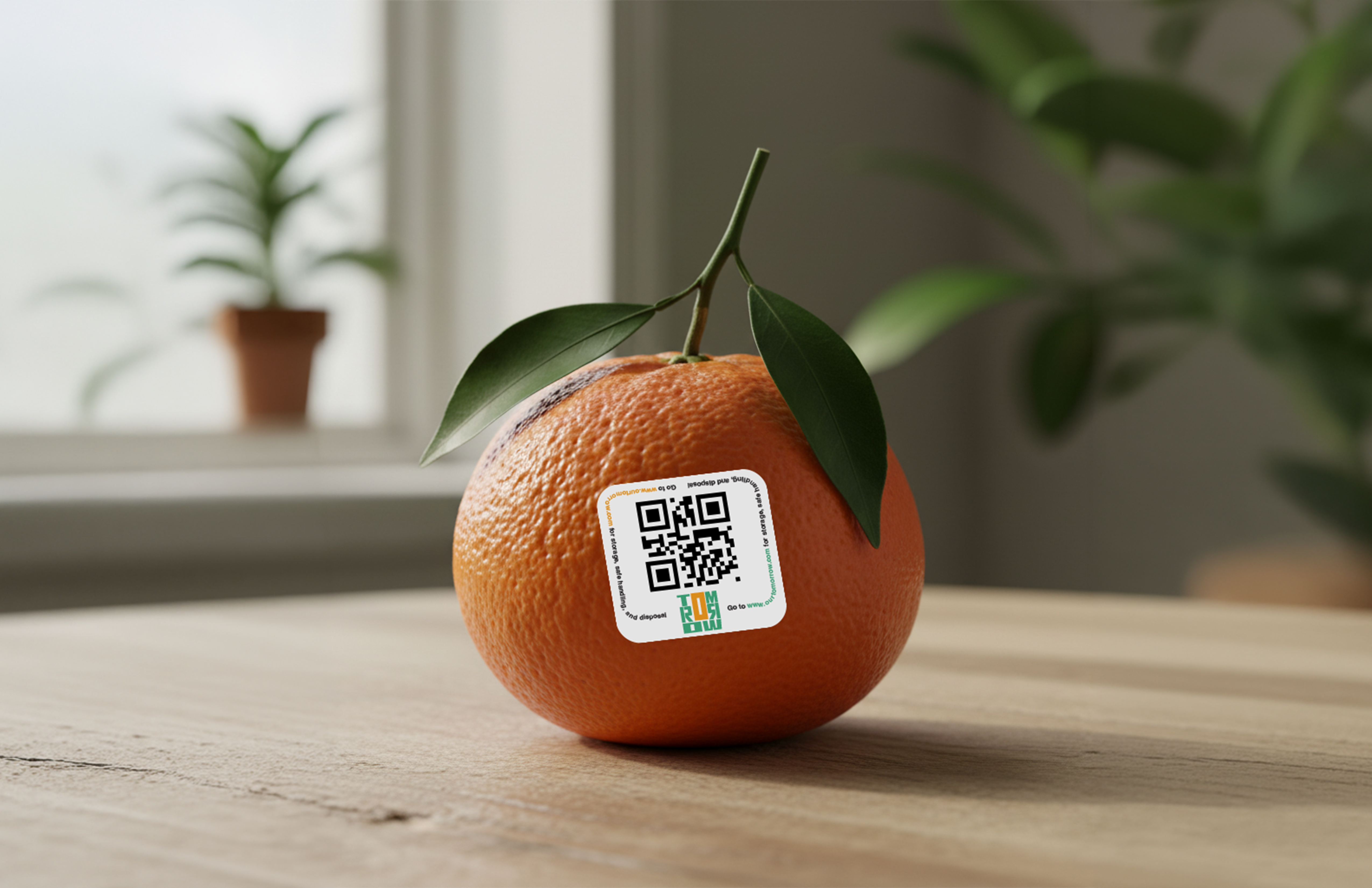
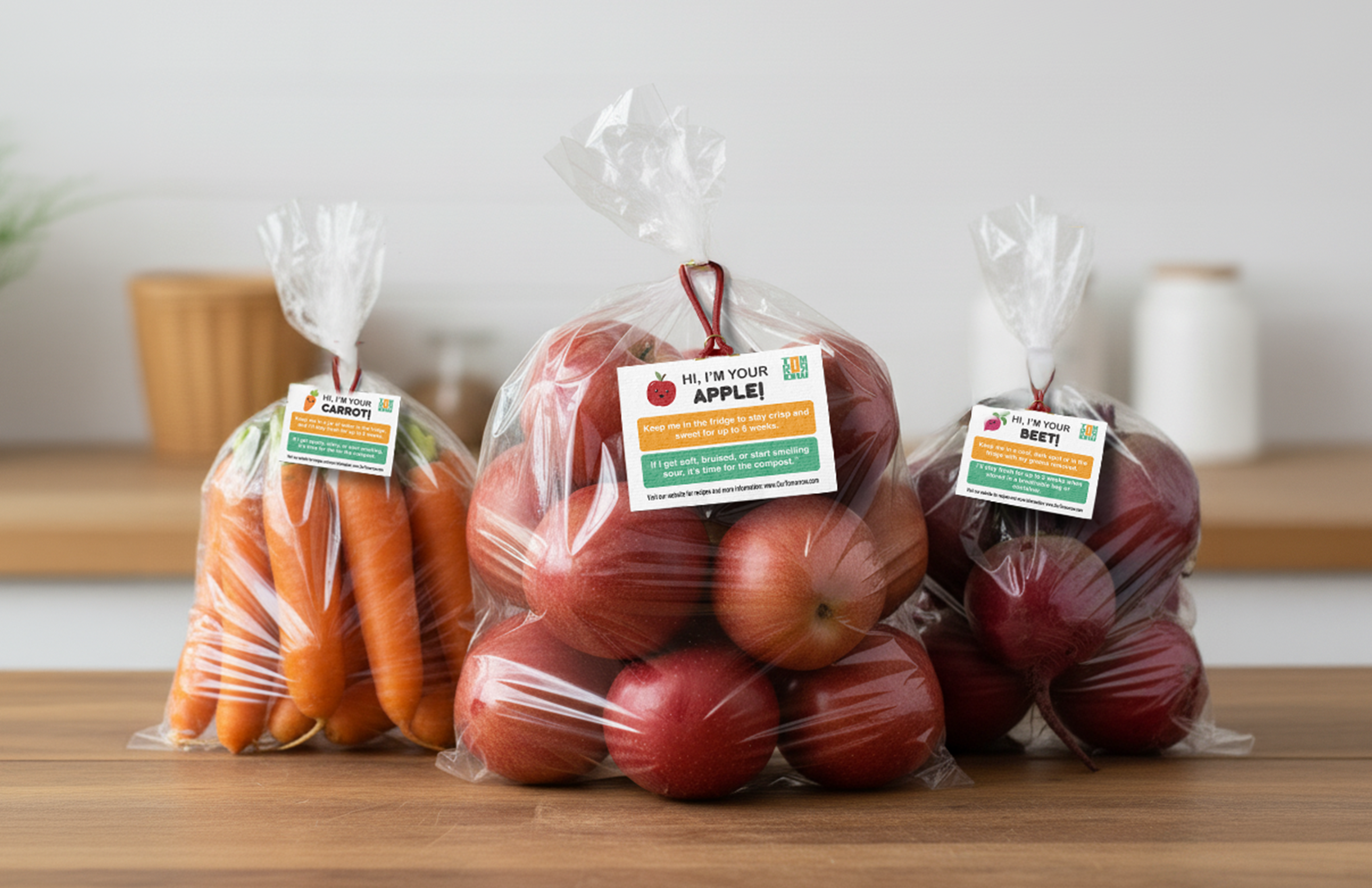
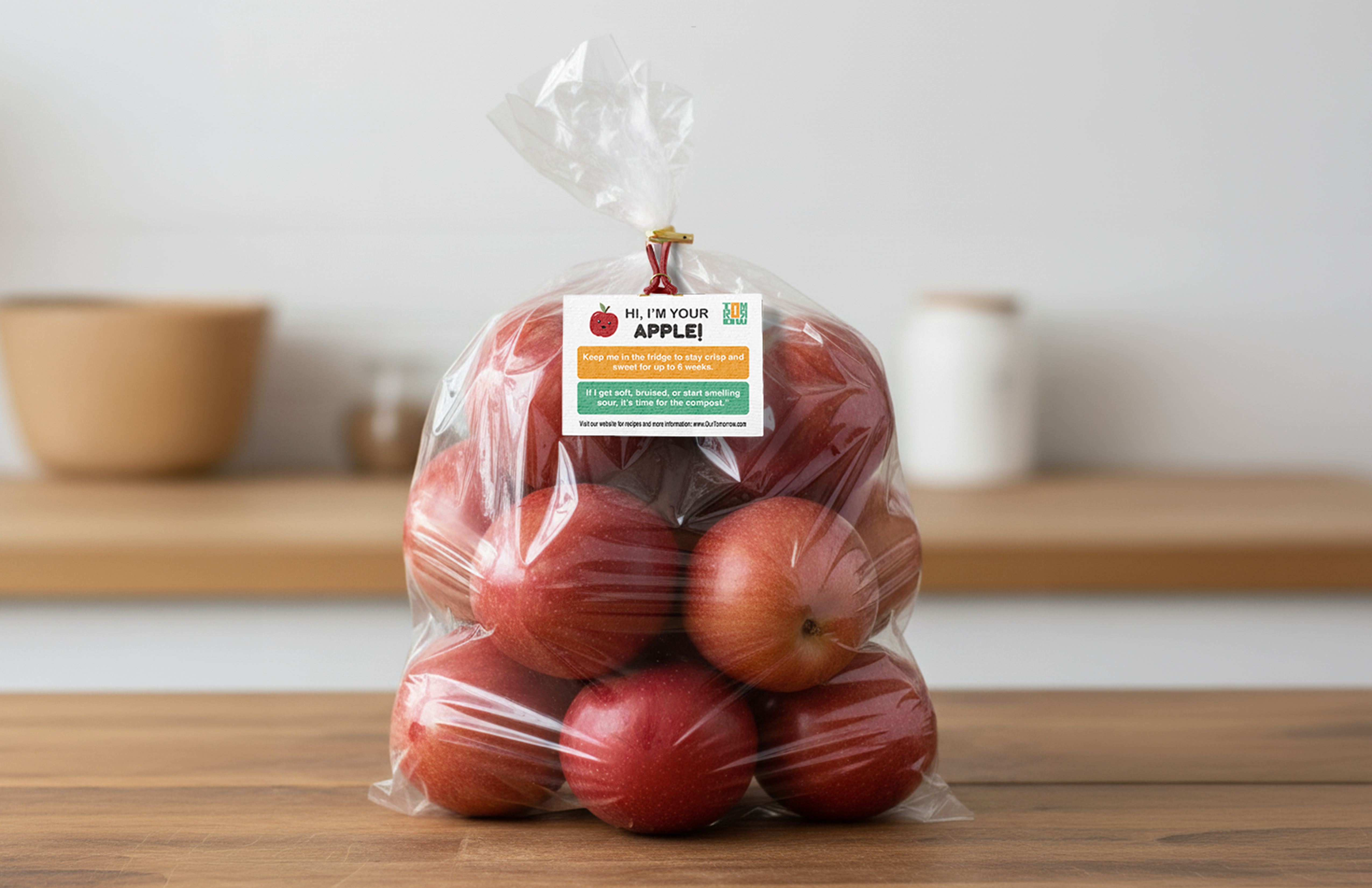
Early concepts centred around creating a product sticker capable of being placed directly onto produce in both single-item and bagged formats. The initial intent was for the information to be immediately viewable at a glance, helping consumers learn how to properly store, handle, and utilize leftover produce before it spoiled.
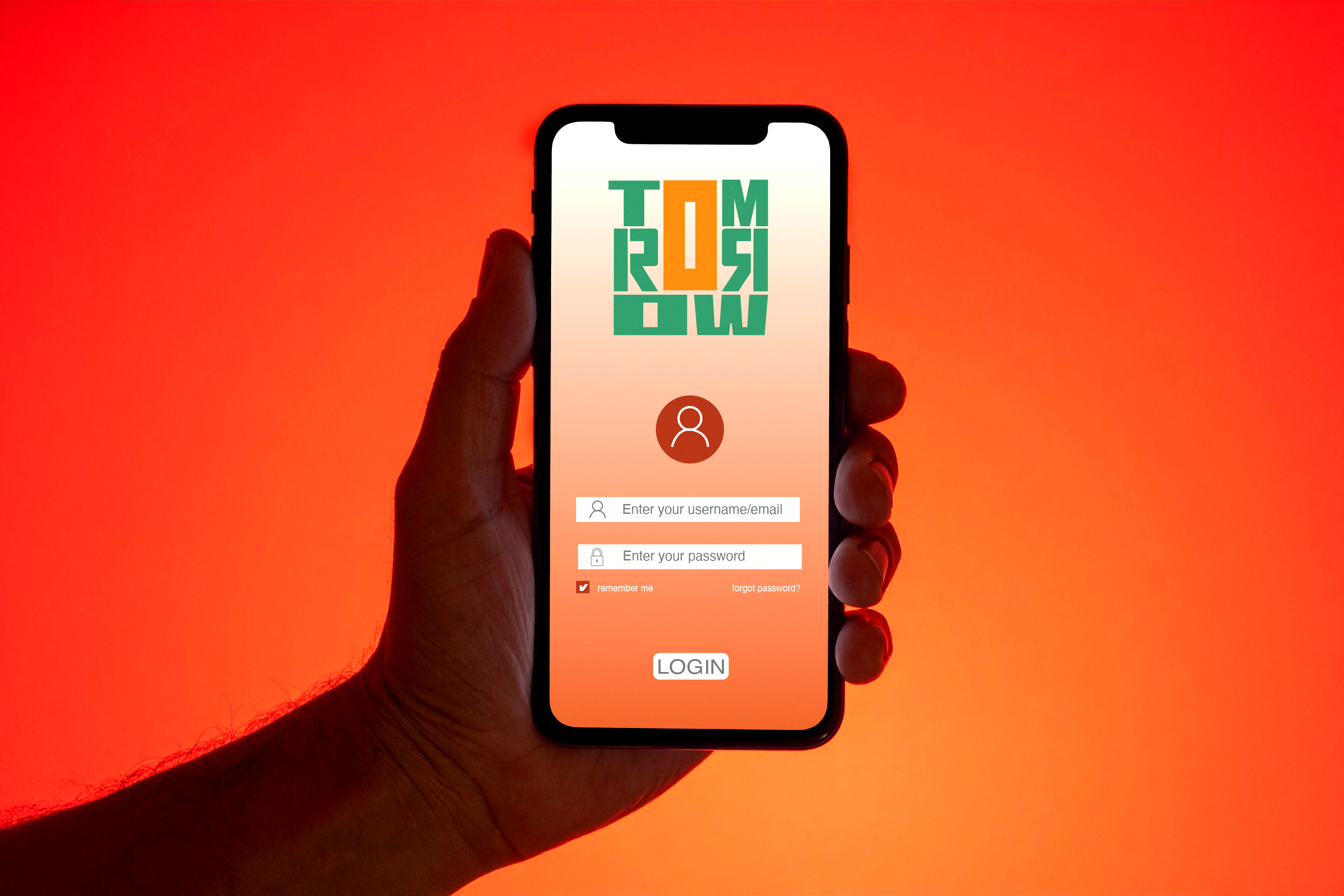
As the project evolved through peer feedback and further testing, the concept expanded beyond the sticker itself into a larger brand ecosystem that included a website, mobile app, QR code integration, and visual advertising campaign.
Final Design
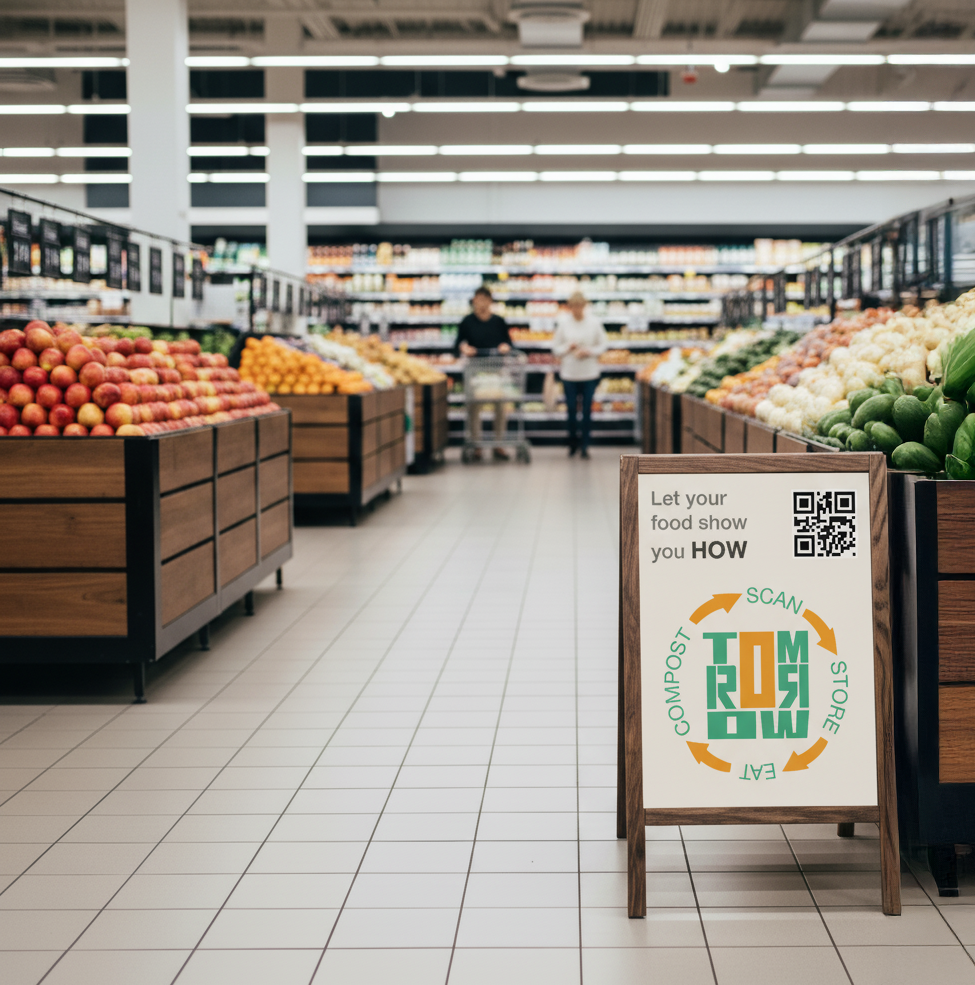
The final tomorrow campaign evolved into a multi-platform educational system designed to help consumers reduce food waste through accessible, convenient, and environmentally conscious design solutions. By combining physical produce stickers, digital resources, QR integration, mobile accessibility, and visual advertising, the project explored how design can move beyond awareness alone and instead provide practical tools that encourage long-term behavioural change.
A major focus of the final design was humanizing produce through friendly messaging, approachable visuals, and playful interactions that made educational information feel welcoming rather than overwhelming. The produce stickers were intentionally designed to give consumers important storage, composting, and food-use information at a glance while creating a more personal and memorable relationship between consumers and the food they purchase.
Through its consumer-first approach, tomorrow demonstrates how thoughtful campaign and branding design can simplify everyday decision-making while helping individuals and families reduce unnecessary waste within a fast-paced and chaotic world.


REAL
IDEAS MADE
kaitlyncutting12344@gmail.com
Location
Ontario, Canada